Product 01 / Kinetic Facade
Kinetic Louver Facade — A Living Skin
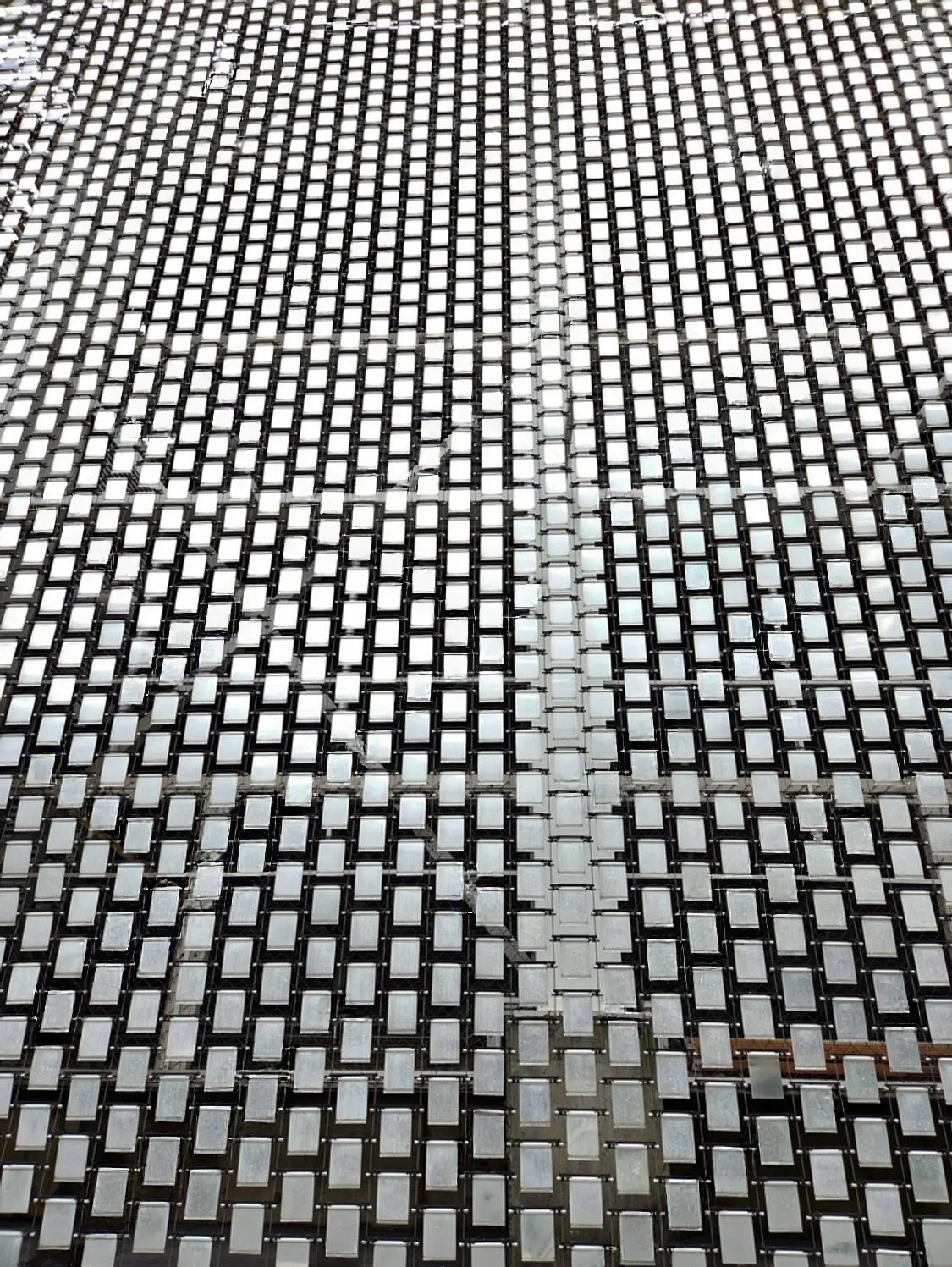
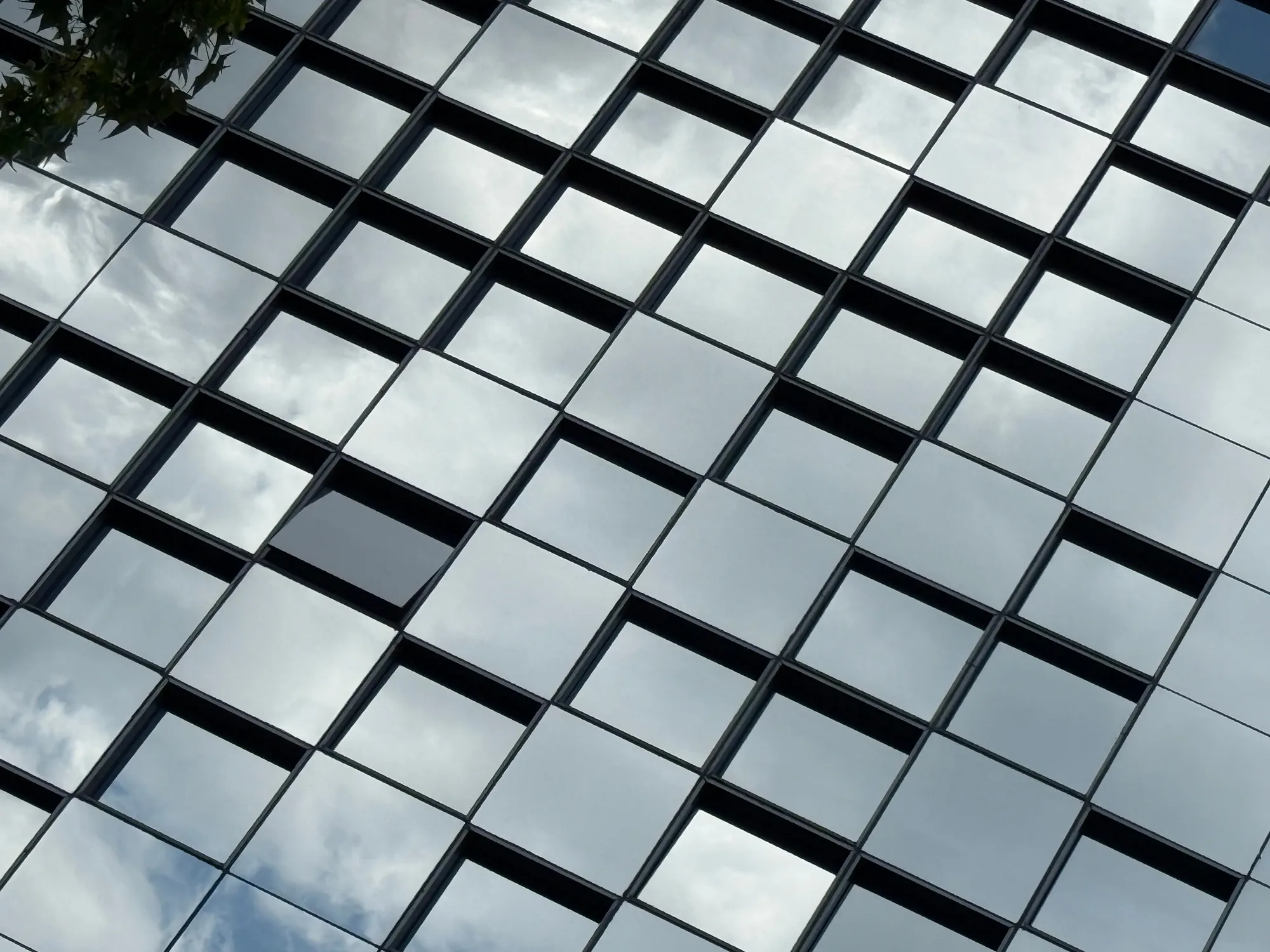
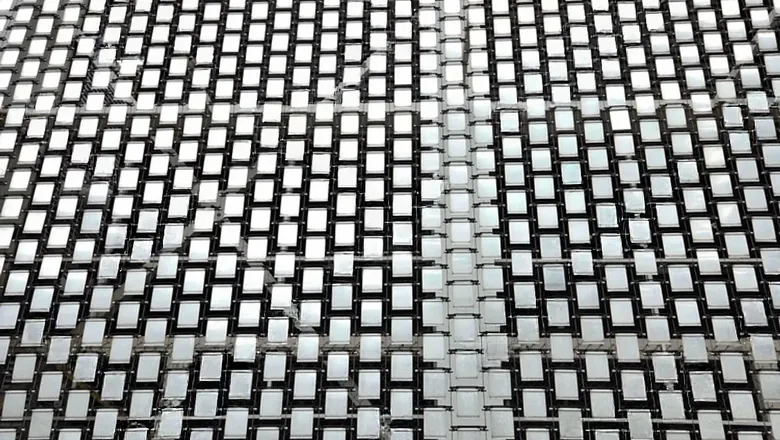
Wind-responsive aluminium panels transform the facade into a living, breathing surface. Gentle breezes set the panels in motion, casting waves of light and shadow while passively shading the envelope and enhancing natural airflow.
How It Works
Aerodynamic panels that turn air into architecture
Each panel is mounted on a precision-engineered pivot that allows free rotation under the slightest breeze. As air passes across the facade, the louvres tilt in sequence, creating an ever-changing rhythm of light and shadow. The system is fully passive — no motors, no cables, no external energy — while the permeable design enhances natural ventilation and reduces solar heat gain.
Tested and Certified Performance
99.8%
System reliability
<2 mph
Activation wind speed
150+
Wind load resistance
Zero Power
Fully passive system
Where it shines
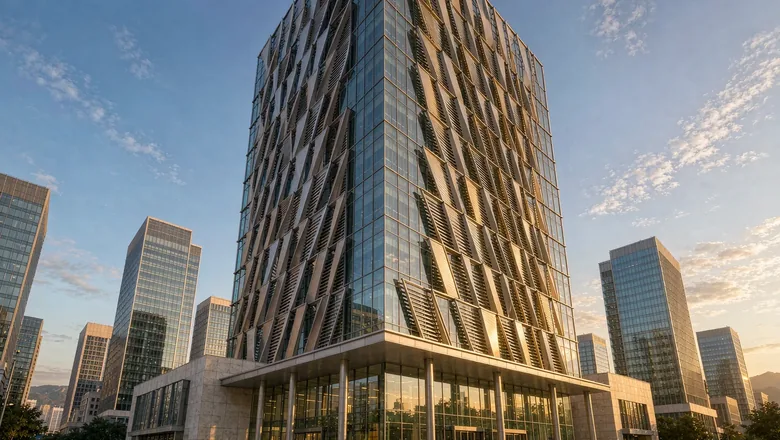
Commercial Towers
Cultural Landmarks
Hotels & Residences
Specification
System Selection & Technical Data
Every INDECO kinetic façade is configured to the project's elevation, climate and budget. The table below lists the standard options our engineers tune during design.
| Parameter | Options / Range |
|---|---|
| Louver blade profile | Aerofoil, flat fin, or perforated screen |
| Blade width | 100 / 150 / 200 mm |
| Module height | Up to 4.0 m per unit |
| Alloy | Marine-grade aluminium 6063-T5 |
| Finish | Anodised (AA25) · PVDF 2-coat (25 µm) · powder coat |
| Pivot hardware | Stainless steel bearing with wind-return spring |
| Activation wind | Below 0.9 m/s (≈ 2 mph) |
| Service wind | Up to 45 m/s (project-verified by FEA) |
| Energy | Zero — fully passive, no motor or sensor |
| Design life | 25+ years with minimal maintenance |
Operating Conditions
Built for the climates that break façades
INDECO kinetic louvers are specified for the environments where standard cladding fails first — coastal cities with salt-laden air such as Dubai and Doha, high-humidity tropics like Nairobi and Lagos, and arid desert sites with extreme daily thermal swing. The marine-grade 6063-T5 alloy and PVDF fluorocarbon finish resist salt spray, UV and continuous thermal cycling, while every pivot uses stainless or treated hardware suited to long-term outdoor exposure. Where the brief calls for a sealed, acoustically rated envelope instead of an open one, the louvres are combined with our unitised glazed curtain wall, and solid zones are closed with aluminium rainscreen cladding.
Because the system is passive, it keeps shading the building through power outages and needs no controls to maintain. Each installation is verified by wind-load calculation and finite-element analysis: the Nairobi CBD tower was engineered for a design wind of about 26.9 m/s, the Doha landmark pavilion up to 45 m/s. The result is a façade that performs for 25+ years with only periodic inspection.
- Coastal & marine environments
- High-wind & typhoon zones
- Hot, sunny desert climates
- High-rise towers & supertalls
Related
Complete the envelope
Most projects combine a kinetic feature elevation with a sealed glazed envelope and clad solid zones. These are the systems we most often engineer alongside the louvres.
Unitised Glazed Curtain Wall
Factory-glazed, weather-sealed modules for towers that need verified air, water and structural performance — the natural partner to an open kinetic screen.
View the glazing system →Aluminum Cladding
PVDF and anodised aluminium panels for spandrels, soffits and solid elevations, matched to the louver finish for a single visual language.
View the cladding system →Case study: Waterfront Tower, Dubai
10,000 m² of unitised glazing engineered to 4.5 kPa wind load and 750 Pa water tightness on an exposed marine site.
Read the case study →Regional specifications
Wind loads, energy codes and material specs differ market by market. Start from the guide for your region.
Specify the kinetic system for your next project
Download BrochureFAQ
Kinetic Facade — Frequently Asked Questions
What is a kinetic façade?
A kinetic façade uses wind-responsive moving louvers or panels that shift with the breeze, turning the building skin into a living surface of changing light and shadow. INDECO's system is passive — driven by wind, not motors — so it animates the elevation with zero energy consumption.
How does a kinetic façade move without electricity?
INDECO kinetic louvers are passively actuated by wind. Once the breeze reaches a low activation threshold (under 2 mph / about 0.9 m/s), the fins begin to rotate and return to their resting position when the wind drops. No motors, sensors or power supply are required.
What wind speed activates the kinetic louvers?
The system begins responding at very low wind speeds — under 2 mph (about 0.9 m/s) — and continues across the normal range of site winds. The passive mechanism is engineered for long-term outdoor service and high system reliability.