Short answer: ACP (aluminum composite panel) is two thin aluminum skins bonded to a core — polyethylene (PE) or mineral-filled A2. Solid aluminum cladding is one homogeneous sheet, typically 5052 or 5005, usually 2–4 mm. ACP is light and flat over long spans but its fire behaviour depends entirely on the core. Solid aluminum is heavier and will dent more easily, but it is non-combustible and its cut edges need no sealing.
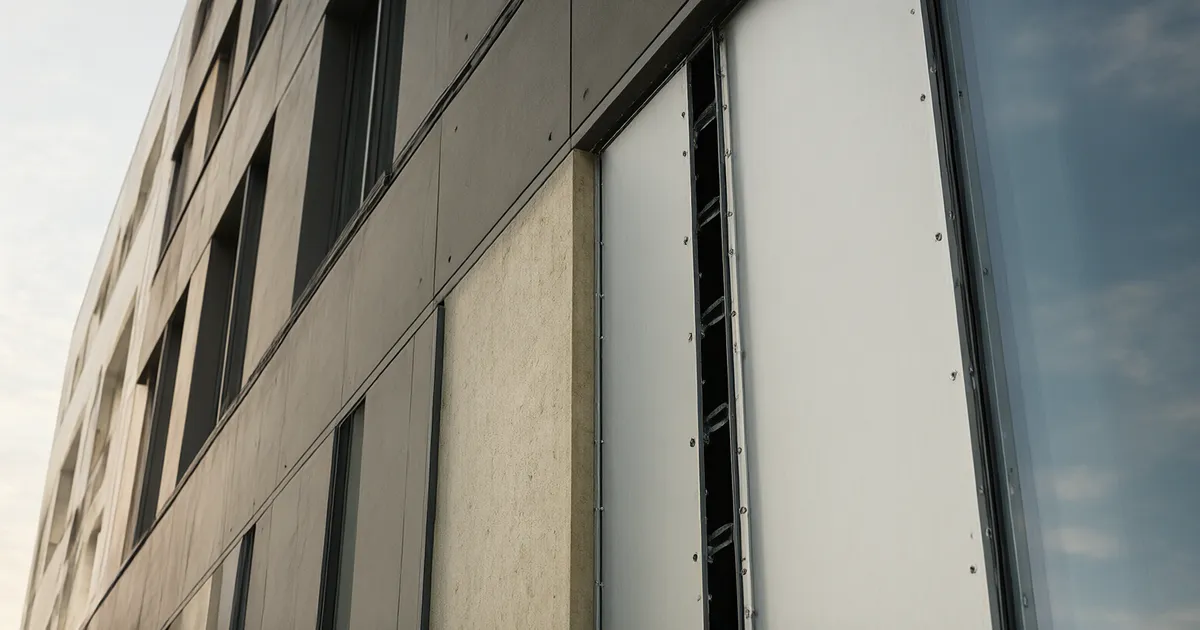
Specifiers often treat ACP and solid aluminum cladding as one product with two names. They are not. The choice drives the fire class you can claim, the panel thickness, how the edge is finished and how the facade behaves after ten years in sun and salt. Here is the comparison that actually decides the specification.
The two systems also sit in different commercial worlds. ACP is manufactured in continuous lines, sold under hundreds of regional brands and stocked by distributors in standard 1220 mm widths, which makes it fast to source in Lagos, Nairobi or Riyadh. Solid aluminum sheet is typically bought as mill coil or pre-finished coil and run through a fabrication shop that folds each cassette to the project's setting-out. That is one reason ACP dominates unitised and mid-rise work while solid sheet dominates prime fasciae, parapets, canopies and any detail where an exposed, fully homogeneous edge is required.
What is the difference between ACP and solid aluminum cladding?
ACP is a sandwich: two aluminum skins, commonly 0.5 mm each, bonded to a core a few millimetres thick. The skins carry the appearance and the weathering; the core supplies stiffness at low weight. Solid cladding is a single aluminum sheet, typically 2–4 mm, with no core at all.
That construction difference explains everything downstream. A 4 mm ACP panel weighs roughly half a 3 mm solid sheet of the same area, so it spans further on the same sub-frame and is easier to handle at height. The solid sheet, having no core, cannot delaminate.
Flatness and span behave differently too. The composite structure resists oil-canning: a wide ACP panel stays visually flat between fixings even in bright low-angle sun, which is why it is the default for long horizontal bands. A solid sheet that is too thin for its span will show waves and distortions at the fixing lines, so the fabricator either thickens the gauge or adds stiffening ribs behind. In practice the decision is rarely "which is better" but "which is flat enough at this span, at this weight, at this budget".
| Property | ACP (composite) | Solid aluminum |
|---|---|---|
| Make-up | Two Al skins + core | One homogeneous sheet |
| Typical thickness | 3–4 mm | 2–4 mm |
| Core | PE or mineral-filled A2 | None |
| Weight | Lower | Higher |
| Dent resistance | Better at same thickness | Lower; dents more easily |
| Cut edge | Must be sealed / returned | No sealing needed |
How does the core change the fire rating?
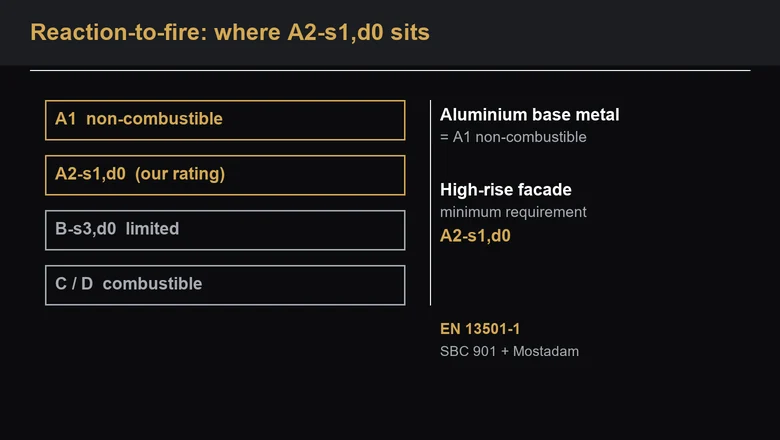
This is the decision that matters most. A PE-core ACP is combustible — the core is essentially plastic — and is restricted or banned on many high-rise and public facades. A mineral-filled A2 core is rated to EN 13501-1 class A2-s1,d0 (and to GB 8624 A2 in the Chinese classification), meaning limited combustibility, low smoke and no flaming droplets.
Solid aluminum is non-combustible by nature: the metal itself does not fuel a fire. In a façade where the authority demands an A1 or A2 reaction-to-fire classification for the cladding material, solid sheet or A2-core ACP are the two credible routes. State the class and the standard on the drawing — 'fire rated' without a class is meaningless.
The cladding skin is only one part of the evidence, however. Insulation behind the panel, the cavity barrier at the floor edge and the sub-frame all carry their own classifications, and a fire investigation almost always finds the weakness there rather than in the sheet itself. When tendering in Africa or the Gulf, ask the supplier for three documents against the exact batch: the EN 13501-1 (or GB 8624) classification report for the panel, the fire test report for the full wall build-up, and the manufacturer's declaration of performance. A brochure page is not a classification.
Which one keeps its colour longer?
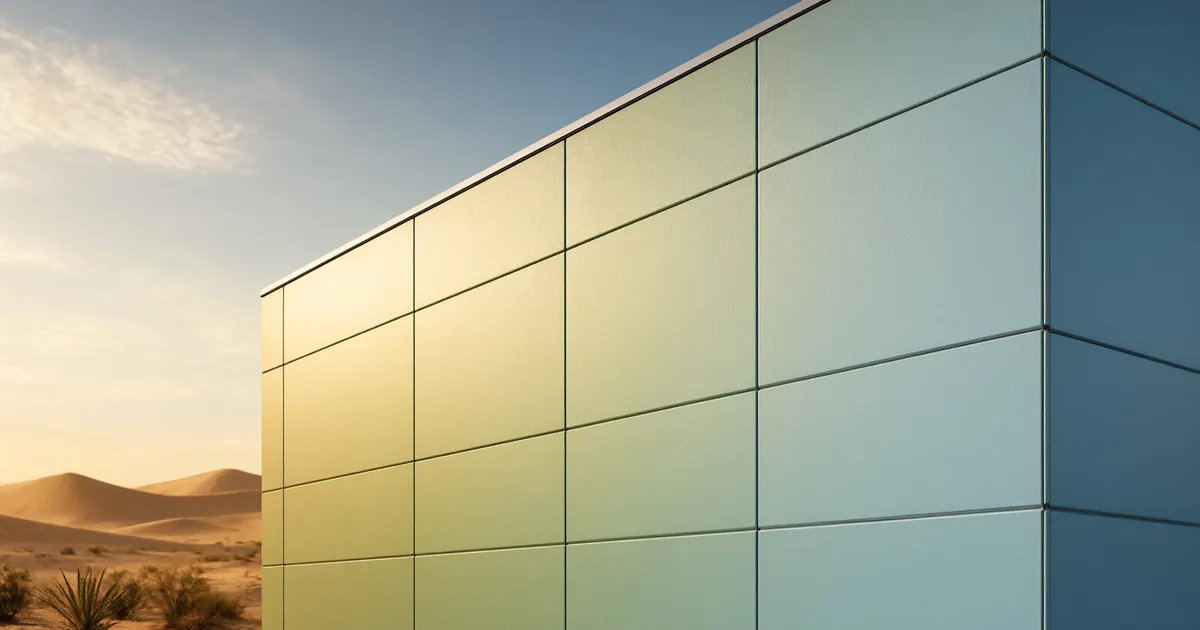
Colour retention is a coating question, not a core question. Both ACP skins and solid sheet are finished with PVDF (typically 70% fluoropolymer, 25–40 µm) or with an anodised oxide layer (AA5–AA25). PVDF gives the widest colour range; anodising gives a metallic, mineral-hard surface that does not chalk.
Specify the finish by system and by measured tolerance: coating thickness, gloss band and ΔE colour difference within and between batches (commonly ΔE 1.0–2.0 within a batch, up to 2.5 between batches). APE-core and A2-core panels from different production runs can drift apart if ΔE is not controlled — that is a more common site problem than the core itself.
UV and salt, not the core, decide the ageing curve. A 70% PVDF coating on either system should hold colour for 10–15 years before the first visible fade in strong-sun regions, while a polyester powder at the same thickness will chalk noticeably earlier. On a coastal facade, insist on salt-spray test evidence (typically 1000–3000 h to ASTM B117) for the actual coating line, and order all panels for one elevation from a single production batch — mixing batches on one wall is the fastest way to a visible patchwork within two years.
What happens at bends, cuts and fixings?
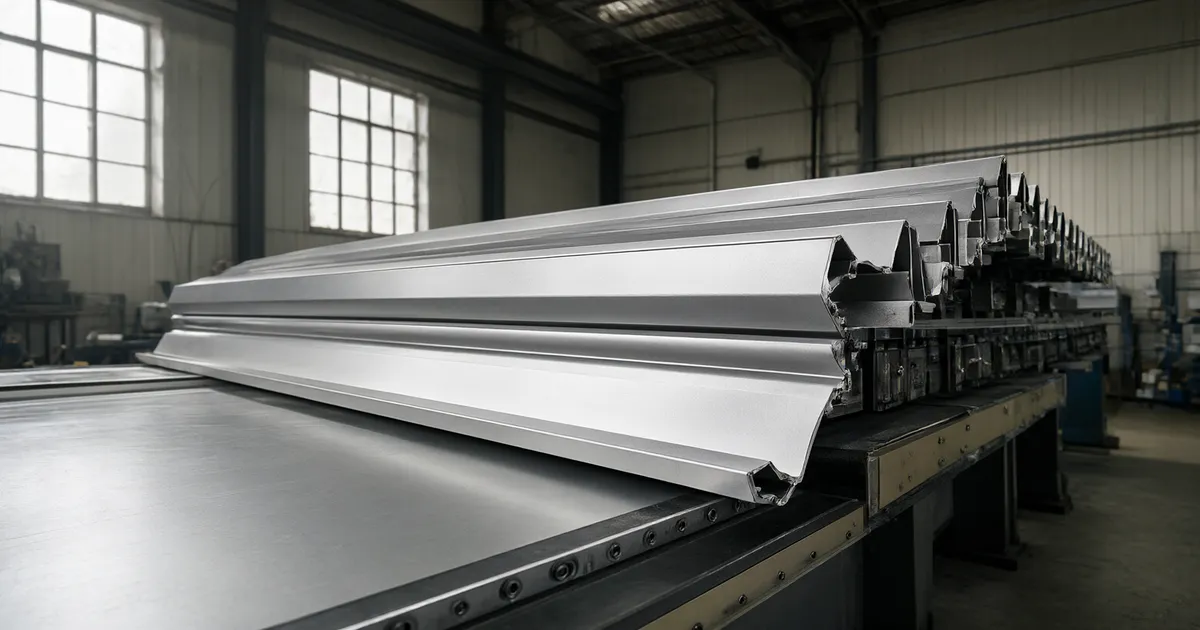
Solid aluminum folds, folds cleanly and can be returned at edges without exposing a core. ACP must be routed and folded on a purpose-made path, and every cut edge must be sealed so moisture cannot reach the core or the adhesive bond. On a coastal facade at ISO 9223 C4–C5, an unsealed ACP edge is the first place corrosion starts.
Fixings follow the same logic: cassette, hook-on or face-fixed systems with an A2/A4 stainless sub-frame and isolation washers where dissimilar metals meet. Keep a ventilated cavity behind the panel and place cavity barrier strips at floor lines to maintain the fire compartment.
Fabrication cost is where the two systems genuinely separate. ACP routes and folds on a CNC router in one operation, and a small workshop can produce cassette after cassette at high speed; the panel itself, however, must be ordered to the correct core class and protected from edge damage during handling. Solid sheet needs rolling, braking and often welding or laser cutting, plus edge returns folded on a press brake — slower, more skill-dependent, but the result is a single-piece metal cassette whose edge will never open. For remote projects where site labour is limited, the fabrication route often decides the answer as strongly as fire does.
How do I choose for an African or Gulf project?
Start with the fire authority. If the project is a high-rise, hospital, school or any building where an A1/A2 cladding reaction is required, choose solid aluminum or A2-core ACP and reject PE-core panels outright. Next, weigh handling: on a 45 °C site with wind and limited lifting access, the lighter ACP is faster to install.
Then look at the whole-life picture. A coastal building will punish exposed cut edges and cheap coatings more than it punishes the core — spend on a 70% PVDF or AA25 finish, A4 fixings and sealed edges. Ask for the finish and fire declarations against the exact panel you are buying, not a generic catalogue page.
A practical way to close the decision:
- High-rise, hospital, school, hotel — authority demands A1/A2: solid aluminum or A2-core ACP; PE core is rejected before price is even discussed.
- Mid-rise commercial, wide flat bands — A2-core ACP usually wins on flatness, weight and installation speed.
- Prime fascia, parapet, canopy, exposed edges — solid sheet; the homogeneous edge detail is worth the extra fabrication.
- Tight budget, short programme, remote site — ACP with sealed edges and documented fire class; the logistics advantage is real.
- Coastal C4–C5 — whichever system, upgrade finish to AA25 or 70% PVDF, use A4 fixings and seal every cut edge.
Key takeaways
- ACP is two thin aluminum skins over a PE or A2 core; solid cladding is one 2–4 mm aluminum sheet with no core.
- Fire class follows the core: PE-core ACP is combustible; A2-core ACP reaches EN 13501-1 A2-s1,d0; solid aluminum is non-combustible.
- Colour retention depends on the coating — 70% PVDF (25–40 µm) or anodised AA5–AA25 — not on the core.
- ACP cut edges must be sealed and folded on a proper route; solid sheet needs no edge sealing and cannot delaminate.
- In Africa and Gulf projects, let the fire authority decide the core, then invest in finish, A4 fixings and sealed edges.
Frequently asked questions
Is ACP the same as aluminum cladding?
No. ACP is a composite panel: two thin aluminum skins bonded to a polyethylene or mineral-filled core. Solid aluminum cladding is a single homogeneous sheet. Both are used as rainscreen cladding, but they differ in weight, fire class, edge detailing and dent resistance.
What fire rating does A2-core ACP achieve?
A mineral-filled A2 core can reach EN 13501-1 class A2-s1,d0 — limited combustibility, low smoke, no flaming droplets — and GB 8624 A2 in the Chinese system. PE-core ACP is combustible and is restricted on many high-rise and public facades.
Does solid aluminum cladding need fire certification?
Aluminum itself is non-combustible, but the facade system still needs its reaction-to-fire evidence, and the insulation and cavity barriers behind it are separately classified. Specify the cladding class and the full wall build-up, not just the metal.
Which keeps its colour longer, ACP or solid aluminum?
Neither wins on construction alone — colour retention comes from the finish. Specify 70% PVDF at 25–40 µm or anodised AA5–AA25, with ΔE limits within and between batches. Poor batch control causes more visual failures than the choice of core.
Is solid aluminum always more expensive than ACP?
Not necessarily on material alone — per square metre, thin ACP can cost more than mill-finish sheet. The difference is in fabrication and programme: ACP routes and folds fast on a router, while solid sheet needs rolling, braking and edge returns. Total installed cost depends on panel complexity, sub-frame spacing and how much fabrication labour the project site can supply.
Can ACP be used on a coastal high-rise?
Only if the core meets the required fire class and every cut edge is sealed against moisture. On a C4–C5 coastal site, use A2 core, 70% PVDF or AA25 finish, A4 stainless fixings with isolation washers and a ventilated cavity with floor-line fire barriers.
Sources
Choosing between ACP and solid aluminum?
Send the building type, the required fire class and the site exposure. We return a panel comparison — core, thickness, finish, fixing and edge detail — matched to your authority and climate. See the Aluminum Cladding range, browse the facade FAQ, or talk to our engineering team.
Aluminum Cladding: A Guide
Aluminum Cladding · Aug 30, 2026
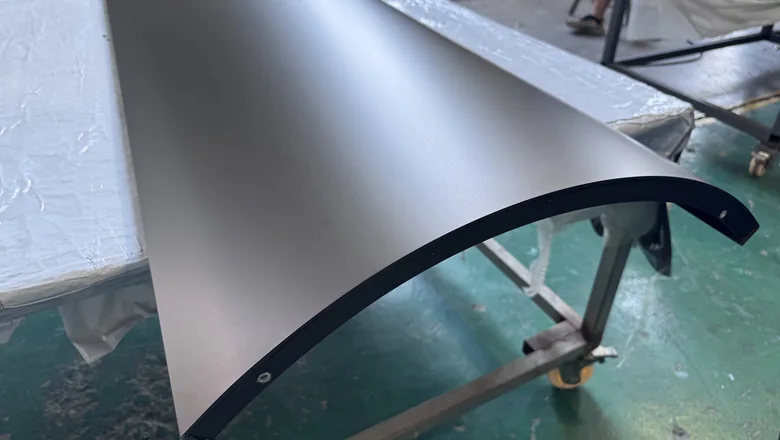
Honeycomb & Corrugated Panels
Aluminum Cladding · Sep 28, 2026
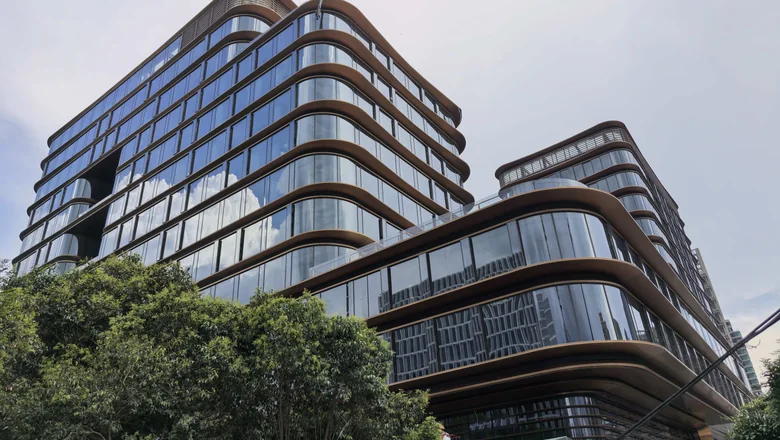
Cladding for Coastal Africa
Aluminum Cladding · Sep 28, 2026
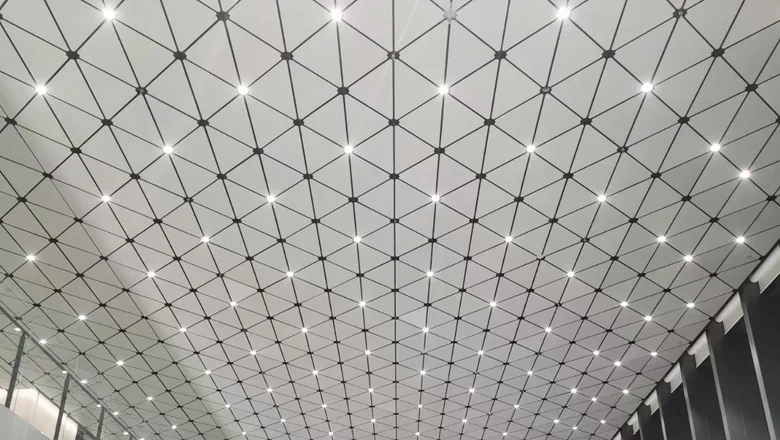
Aluminum Ceiling and Soffit Systems: Clip-In to Baffle
Aluminum Ceiling · Sep 21, 2026
Aluminum Cladding Fire Safety
Aluminum Cladding · Aug 30, 2026
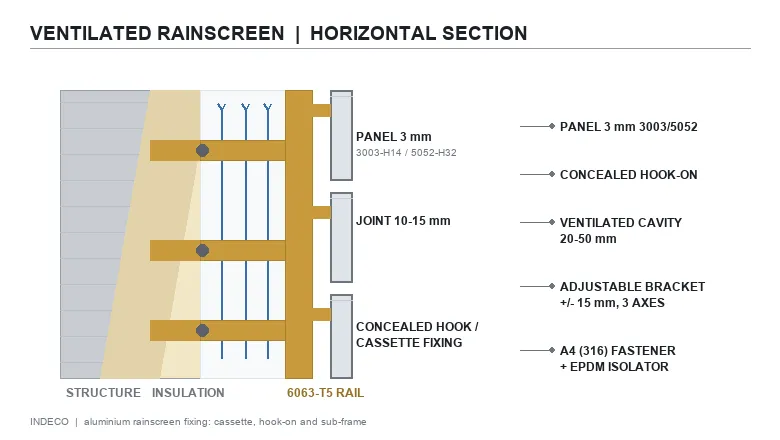
Aluminum Rainscreen Fixing: Cassette, Hook-On & Sub-Frame
Aluminum Cladding · Oct 07, 2026