








Facade engineering guides, written by the people who build them
This resource library is written for architects, facade consultants and developers who are specifying envelopes in hot, windy and coastal regions. The focus is practical: what a system can actually achieve, which standards apply, where the cost and risk sit, and how to write a specification that survives value engineering.
What we cover
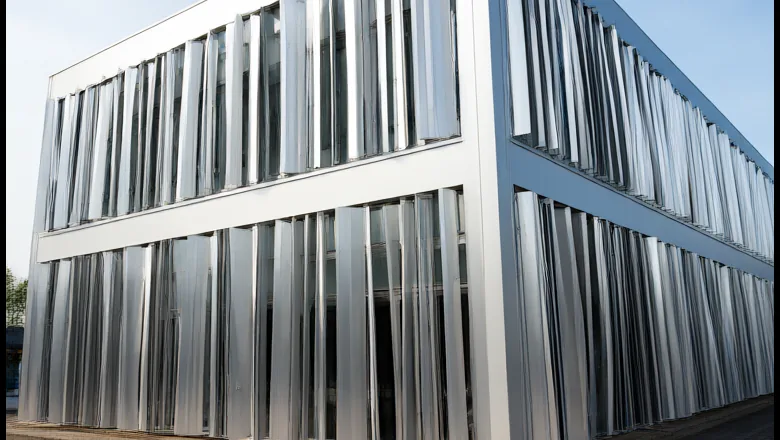
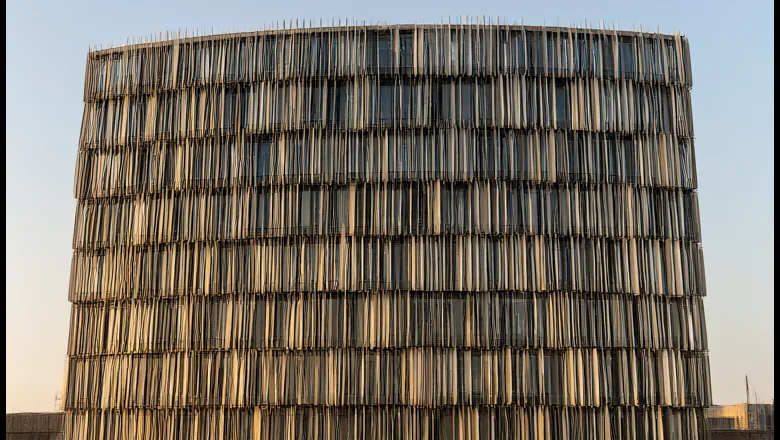
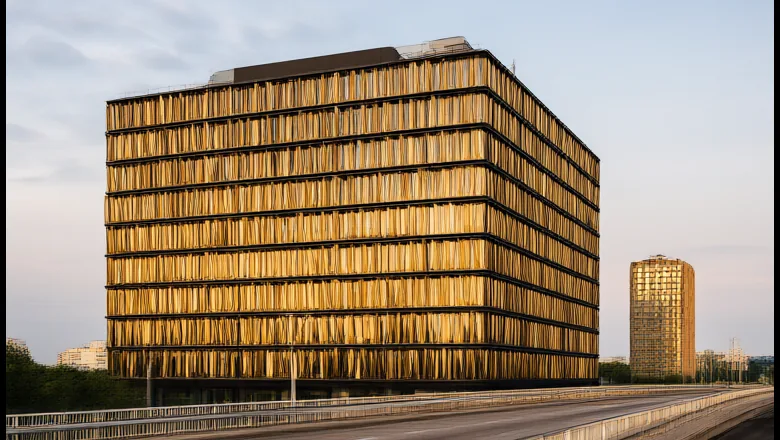
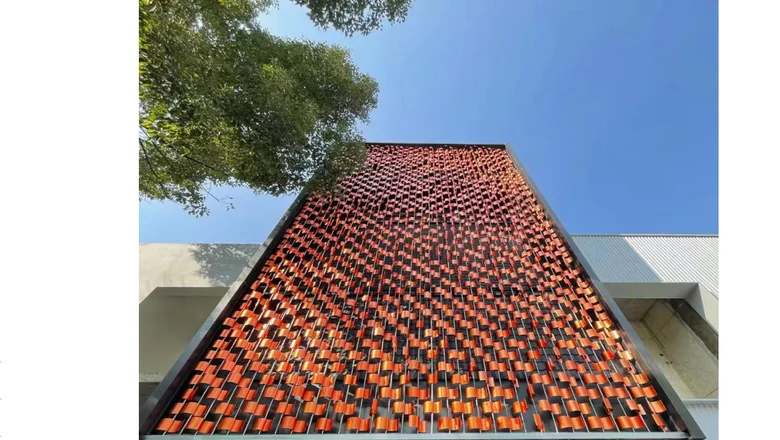
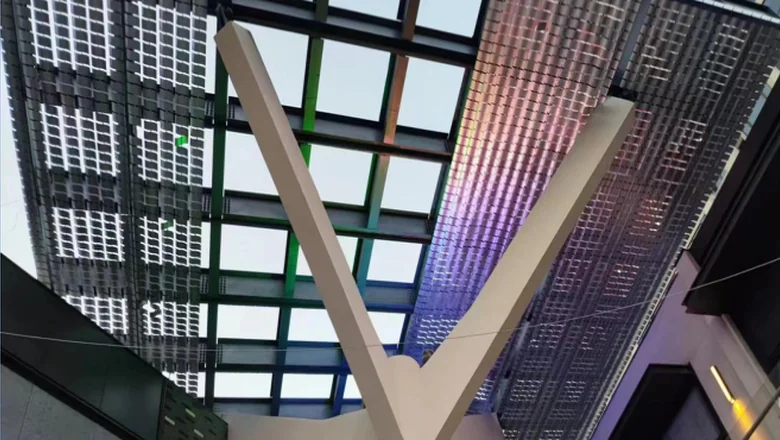
- Kinetic facades. How wind-responsive motion works without motors or sensors, what it is made from, and how it is specified — see What Is a Kinetic Facade? and the kinetic curtain wall specification guide.
- Energy and climate. Quantifying cooling-load reduction and passive shading in Gulf and East African conditions, including how kinetic facades save energy.
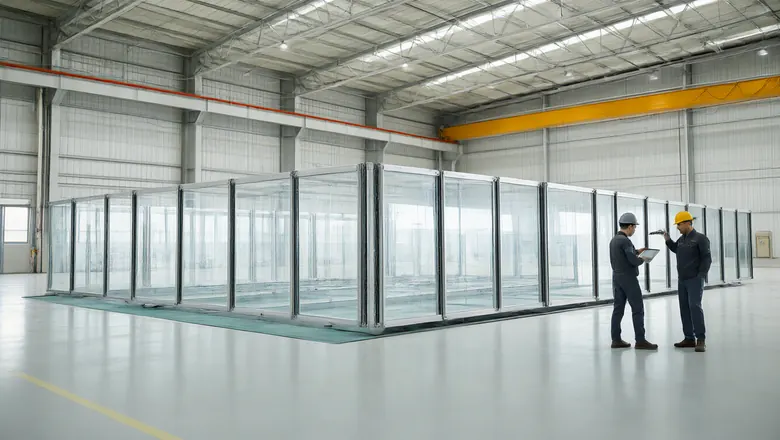
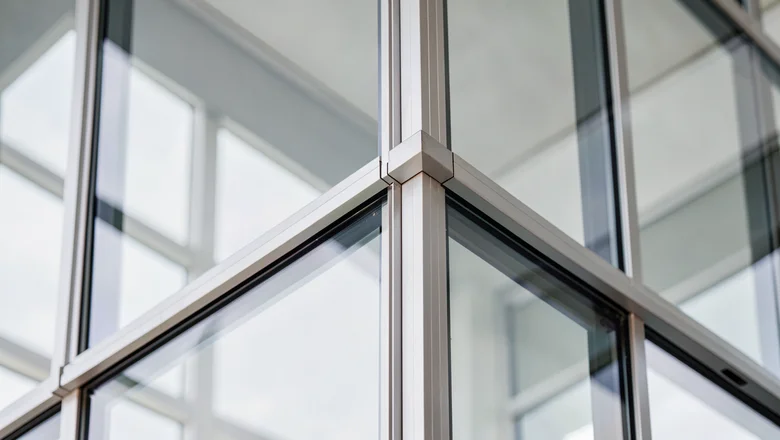
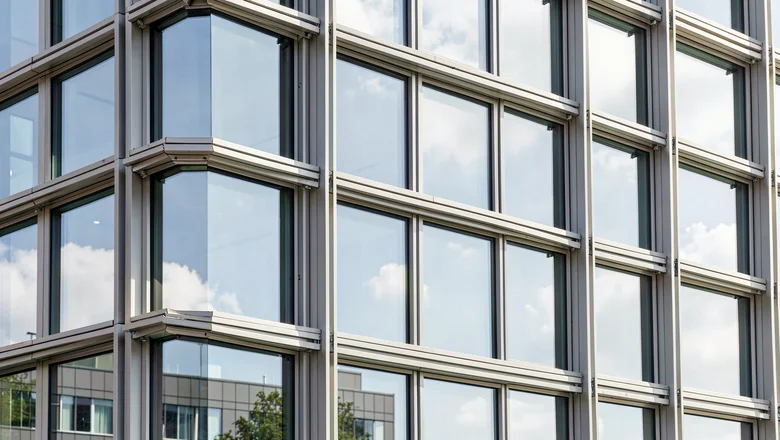
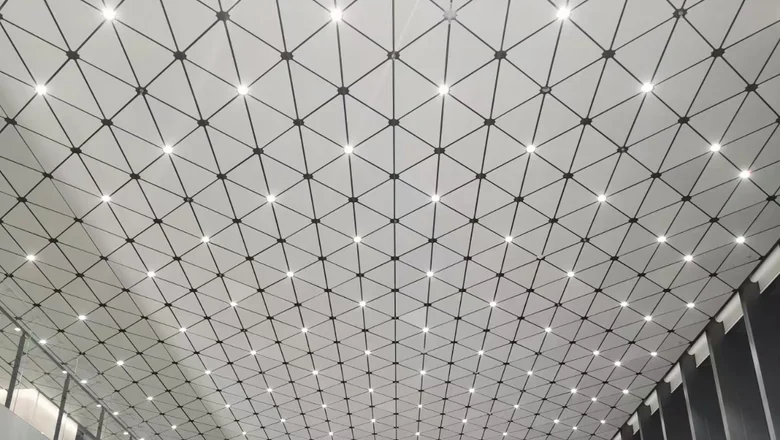
- Unitised glazing. The factory-to-site process, IGU build-ups, mullion and transom sizes, and how unitised compares with stick-built — start with What Is a Unitised Curtain Wall? and the specifications guide.
- Performance testing. The four tests that decide whether a curtain wall is approved, explained in curtain wall performance testing.
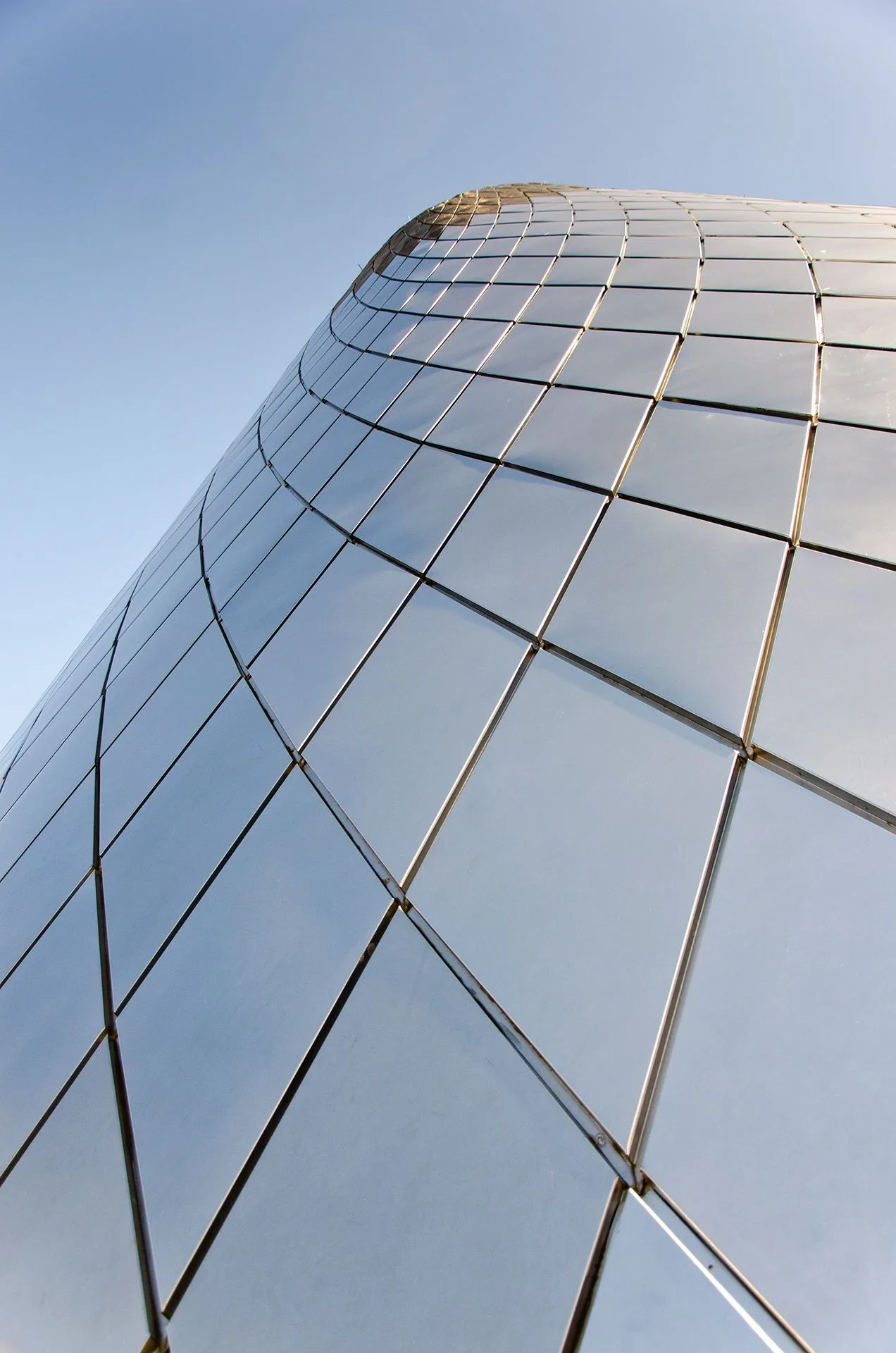
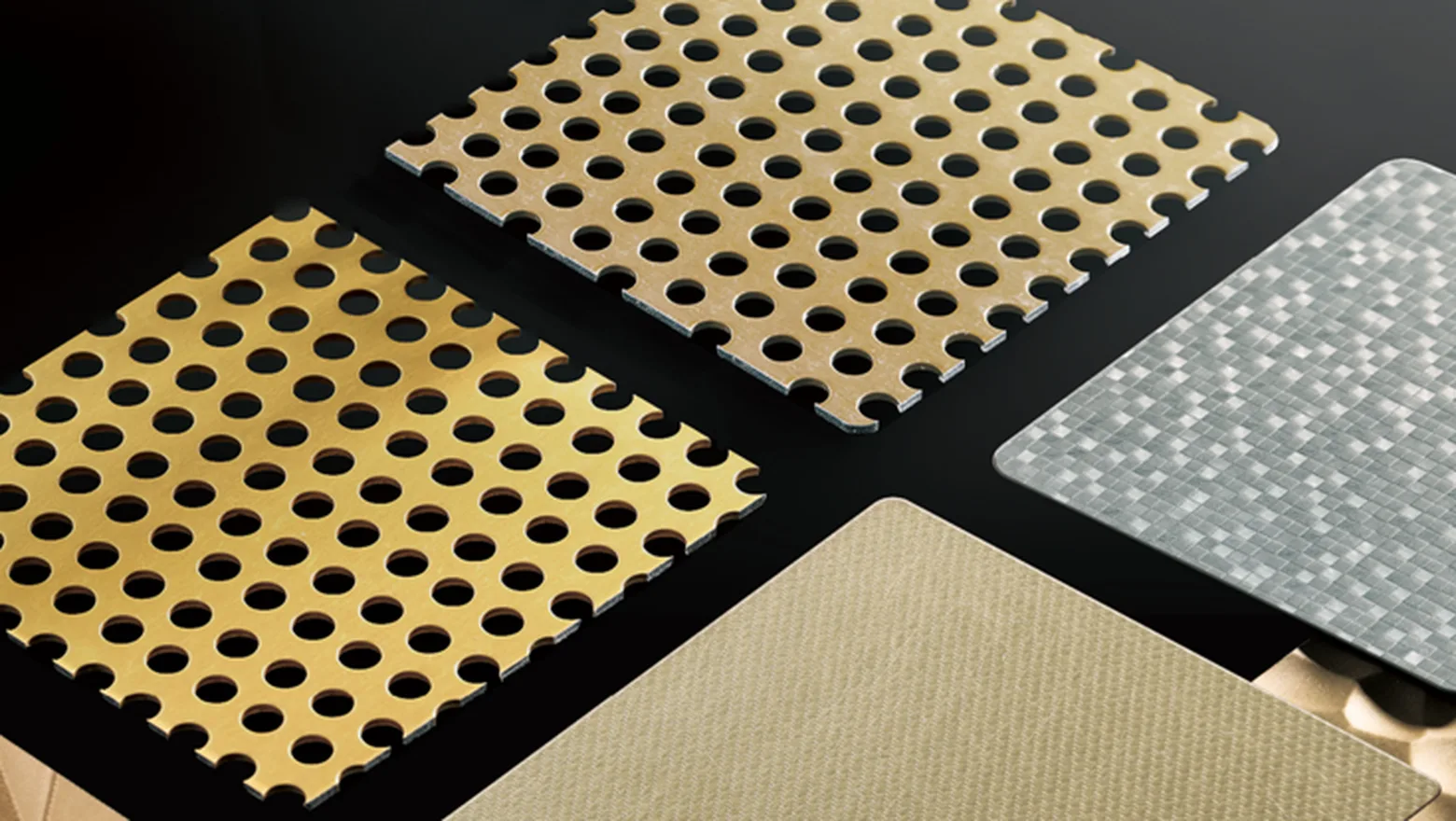
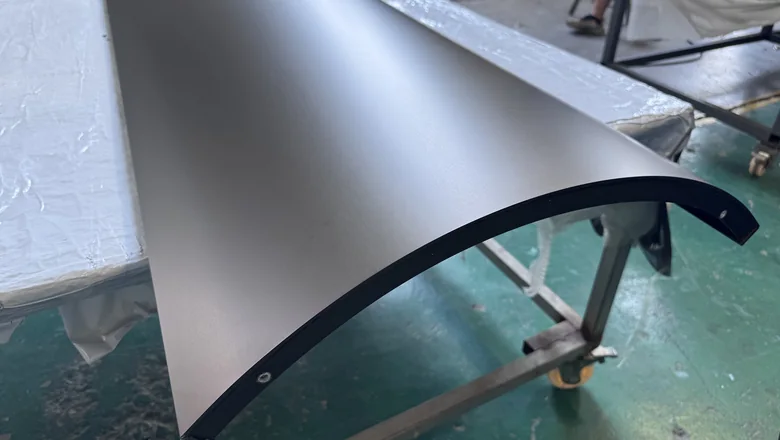
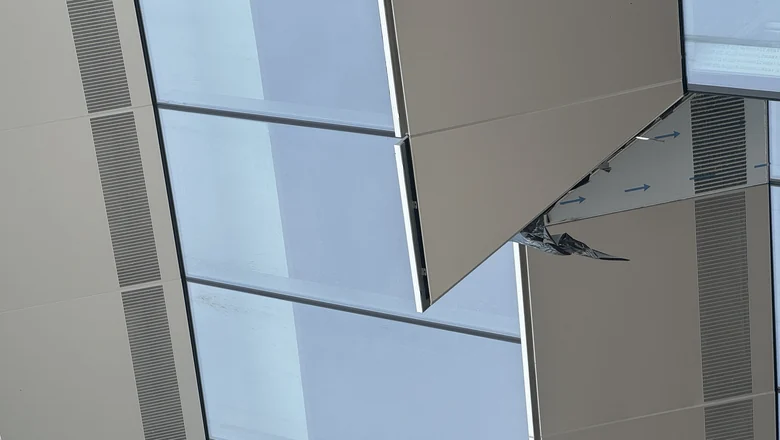
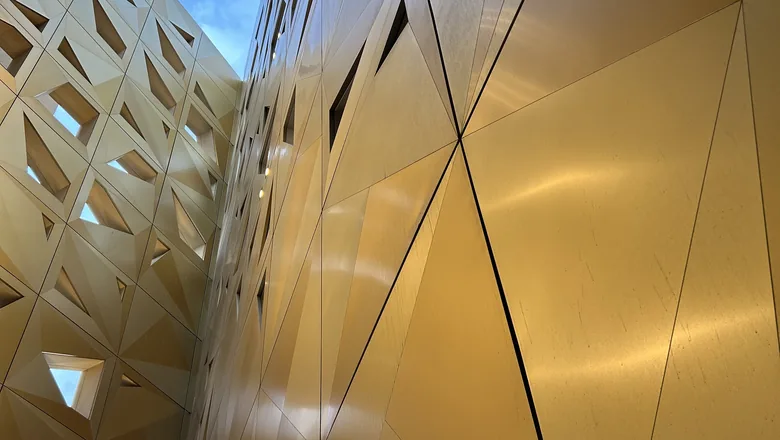
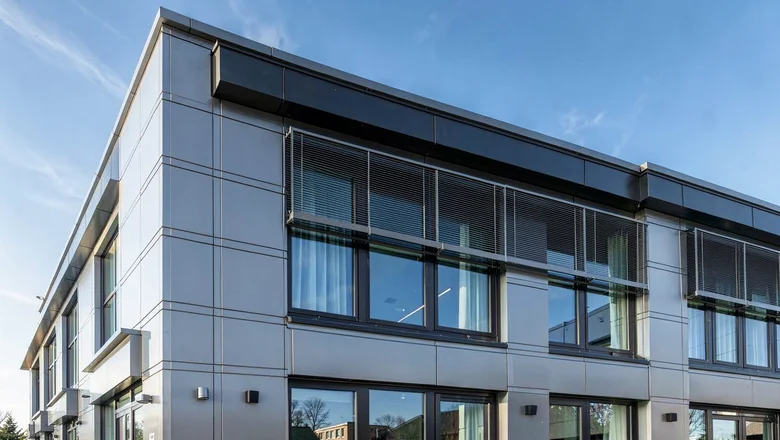
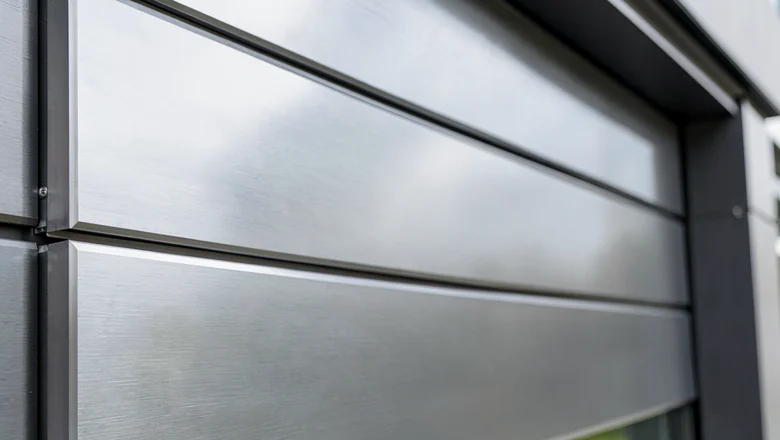
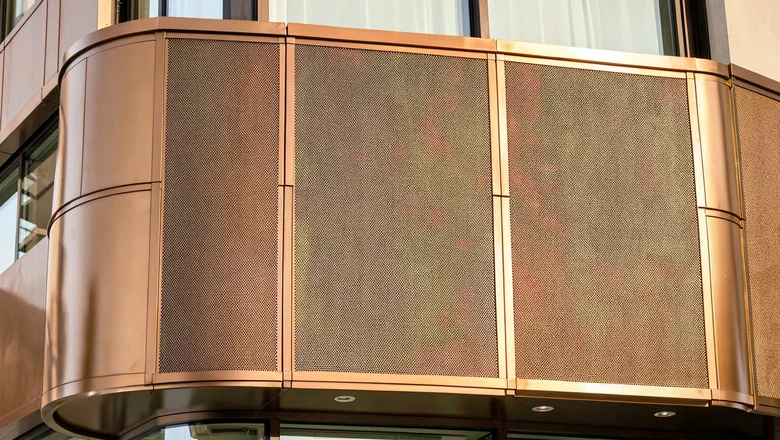
- Aluminum cladding. Solid versus composite panels, fire ratings, finishes and perforation, covered in the complete guide to aluminum cladding, the fire safety comparison and the finishes and colours guide.
How to use these guides during design
The most expensive facade mistakes are made at concept stage, long before a system is chosen. Set your wind, thermal, acoustic and fire targets first, then let the system follow. If you want a second opinion on a specification, or a number you can take into a cost plan, send us the drawings — our engineers reply with a technical proposal and indicative pricing within 24 hours.
Short answers to the questions we get asked most
Do kinetic facades need electricity? No. INDECO kinetic louvers are driven by the wind itself and begin moving below roughly 2 mph (0.9 m/s). There are no motors, sensors or control systems, which is why the operating energy cost is zero and there is no control package to maintain over the building's life.
Is unitised glazing faster than stick-built? On repetitive high-rise geometry, usually yes. Because modules arrive glazed and sealed from the factory, site work is reduced to fixing and alignment, and the programme is far less exposed to weather. Stick-built remains competitive on small or highly irregular areas where module repetition is limited.
Which fire rating should I specify for aluminum cladding? For high-rise and occupied buildings, specify solid aluminum panels rated A2-s1,d0 to EN 13501-1. Avoid polyethylene-cored composite panels on tall buildings — the fire safety comparison sets out why.
Can you work to our local code? Yes. We routinely work to ASTM and EN test standards and support local authority and green-rating submissions across the Gulf and East Africa. Send us the applicable code and we will confirm the test evidence we can supply.