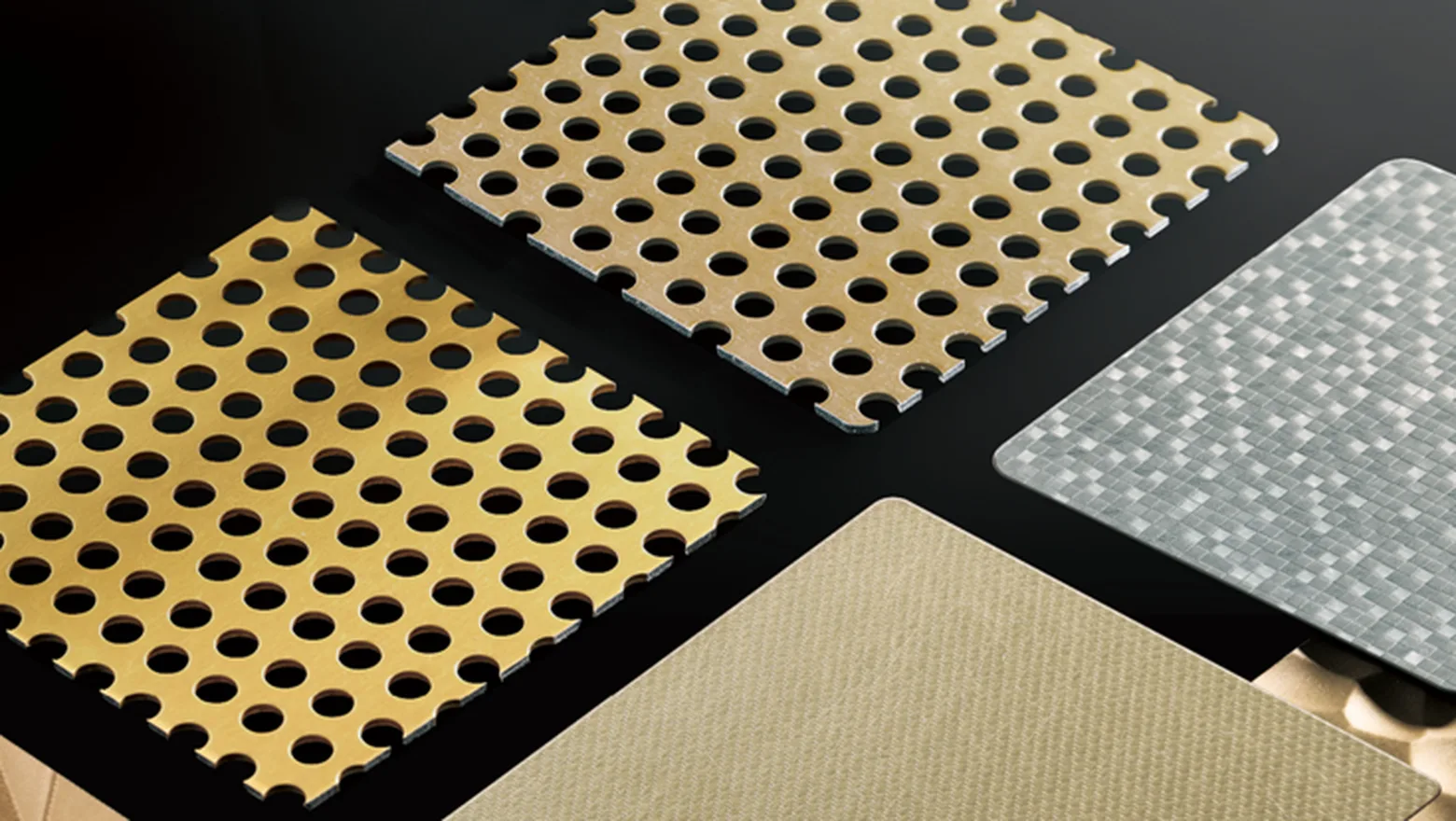
Aluminum cladding maintenance is a low-effort, high-return routine: rinse and wash the facade on a schedule set by its environment, clean only with pH-neutral chemistry, inspect joints and drainage at least once a year, and keep dated records. Done properly, it protects the finish, the warranty and the appearance of the building for decades.
Aluminum facades are sold as low-maintenance, and they are — but low maintenance is not no maintenance. The difference between a facade that looks new at year twenty and one that is streaked at year eight is rarely the metal or the finish. It is whether somebody owned the cleaning schedule. This guide sets out the intervals by environment, the chemistry that is safe on anodized and coated surfaces, the products that destroy finishes, a step-by-step wash method, and the inspection items that keep a warranty honest. It complements the complete aluminum cladding guide, the anodized cladding guide and the coastal project guide, and it links to the Aluminum Cladding range.
Why does aluminum cladding need maintenance at all?
Aluminium forms its own protective oxide film, so it does not rust — but the visible surface still accumulates what the atmosphere deposits on it, and those deposits are what shorten a facade’s life.
- Dust, soot and salt sitting on the surface keep it damp for hours after rain has gone — and damp deposits are exactly what drive pitting and dulling.
- Rain carries dirt down the facade and leaves streaks at every drip line. The stains are cosmetic, but owners and tenants judge the whole building by those streaks.
- Sealant and joints age faster than the panels do. The one thing a wash forces is an inspection — it catches an open joint or a cracked sealant before water ever reaches the cavity.
- Warranties are written around it. Coating and anodizing warranties condition cover on the facade being cleaned to a stated schedule with approved products. No records, no claim.
How often should aluminum cladding be cleaned?
The interval is set by the environment, not by the calendar. The corrosivity categories of ISO 9223 (C1–C5) are a convenient shorthand: the same facade that is fine on an annual cycle in a rural town needs quarterly attention at an exposed shoreline. The table below is a practical starting point for a specification.
| Environment | Fresh-water rinse | Neutral-pH wash | Joint & drainage inspection |
|---|---|---|---|
| Rural / low pollution (C1–C2) | Annually | Annually | Annually |
| Urban, normal traffic (C3) | 6–12 months | 12 months | 12 months |
| Industrial or heavy-traffic districts (C3–C4) | 3–6 months | 6 months | 6 months |
| Coastal, moderate salinity (C4) | 6 months | 6–12 months | 6–12 months |
| Coastal, near breaking surf (C5) | 3 months | 6 months | 6 months |
The table leaves out two things. Rinse after exceptional events — a dust storm, a harmattan season, a fire nearby, construction on adjacent plots — rather than waiting for the next scheduled wash. And shaded elevations and protected soffits usually need more washing than the weather-exposed faces, because rain never rinses them on its own. The coastal guide goes through the C4/C5 regimes in full.
What cleaning chemistry is safe on anodized and coated aluminum?
The chemistry rule is short: aluminium is amphoteric, meaning it is attacked by strong acids and strong alkalis alike. Everything that touches the finish should sit near neutral pH. Anodizing is aluminium oxide — a ceramic skin grown into the metal — while PVDF is an applied fluoropolymer film roughly 23–30 µm thick in two-coat systems. Both tolerate mild detergents and clean water; neither tolerates oven-style alkalis or acid brick cleaners.
| Product / chemistry | pH | Anodized finish | PVDF / coated finish |
|---|---|---|---|
| Clean water | ~7 | Safe — first choice | Safe — first choice |
| Mild soap / pH-neutral detergent | 6–8 | Safe | Safe |
| Citrus-based degreaser, short contact | 5–6 | Spot use only, rinse immediately | Spot use only, rinse immediately |
| Strong alkaline cleaners (soda / oven type) | >10 | Prohibited — etches the oxide film | Prohibited — dulls and chalks the coating |
| Acid brick & mortar cleaners (e.g. HCl-based) | <3 | Prohibited — stains and pits the surface | Prohibited — attacks the film at edges |
| Abrasive pads, steel wool, scrapers | — | Prohibited — scratches cannot be repaired | Prohibited — cuts through the film |
| Solvent wipe for sealant or grease spots | — | Spot only, follow with water rinse | Spot only; confirm with the coating supplier |
Where the finish comes from matters as much as the chemistry. Anodizing produced under the QUALANOD architectural quality-mark scheme is classified by film thickness and tested to a published specification, and high-performance PVDF systems are qualified by salt-spray and weathering tests. So the finish system belongs in the maintenance plan by its proper name, not as a loose “aluminium”. The anodized cladding guide explains the film classes in detail.
Which cleaning products destroy aluminum finishes?
Most finish damage seen in service traces back to a handful of products that were never meant for facades.
- Acid brick and mortar cleaners. The hydrochloric-acid solutions used to strip masonry after construction pit aluminium on contact. Keep them off the facade — and if adjacent masonry is being cleaned, mask the panels or sequence the work so nothing drips onto them.
- Strong alkaline cleaners are the quiet ones. Oven and soda-based degreasers etch the anodized oxide and chalk the PVDF, and the damage is permanent because an anodized surface can only be replaced, never spot-repaired.
- Steel wool and any abrasive pad cut straight through a 25 µm film into a corrosion site. Carbon steel wool is the worst of it — it sheds iron particles that then rust on the surface.
- Pressure washers, used close up. A tight, high-pressure jet pushed under a panel edge or into a joint forces water into the cavity. Wide fan, low pressure, at least ~300 mm standoff.
- Acid-cure silicone. As it cures it releases acetic acid that attacks both the aluminium and the finish — only neutral-cure, low-modulus silicone belongs anywhere near cladding.
- Hot-surface cleaning. Wash a panel at 45 °C surface temperature in direct sun and the rinse flashes off before it lifts the dirt, leaving the very streaks you were trying to remove. Do shaded elevations in the morning.
Most of the finish failures we get called to look at are not dramatic. They turn up as a discoloured band three floors up, or a row of stained fixings — and almost always trace back to one of the products above being used where it should not have been.
How do you clean aluminum cladding step by step?
- Check the surface temperature. The facade should be cool to the touch — early morning or an overcast day.
- Dry-remove loose dust with water alone, working top-down, so grit is not scrubbed across the finish later.
- Wash with a pH-neutral detergent (pH 6–8) and a soft brush or cloth, again top-down, in manageable sections.
- Rinse thoroughly with clean water before the detergent dries — residual soap leaves its own streaks.
- Deal with isolated stains (sealant, grease, tar) individually with a permitted solvent on a cloth, never by increasing the concentration of the wash.
- Inspect while the facade is wet. Open joints, cracked sealant, stained fixings and blocked drainage are all easiest to see during the wash — log everything with dated photos.
What should the annual inspection cover besides the surface?
The wash is half the visit; the other half is the building physics around the panels.
- Joints and gaskets — open butt joints, shrunk gaskets, failed backers.
- Sealant — adhesion loss, hardening, cracks; re-tool or replace with neutral-cure silicone.
- Fixings — loose or stained fasteners, missing isolating washers, contact between aluminium and galvanized or bare steel.
- Drainage paths — weep holes and drained joints cleared of sand, dust and harmattan deposits.
- Base detail and splash zone — ground clearance maintained, no soil or planting piled against the facade.
- Panel edges — any bare cut edge from later site work is a priority to close or cover.
The warranty lives or dies by the log
Coating and anodizing warranties share one condition: the owner must clean and inspect to a stated schedule with approved products, and be able to prove it. In practice that means a dated log — date, elevation, products used, dilution, weather, and photographs — plus invoices from the cleaning contractor. When a claim does arise, that log is the difference between a warranty settlement and a refusal. Write the maintenance plan into the O&M manual at handover, not after the first complaint; that is the only way that log ever gets kept.
Frequently asked questions
How often should aluminum cladding be cleaned?
A rural building is usually fine with an annual wash; urban facades every six to twelve months; industrial and moderate-coastal (C4) sites every six months; and exposed coastal (C5) sites need a fresh-water rinse about every three months plus a neutral wash twice a year. Add a rinse after dust storms or harmattan season regardless of schedule.
What cleaner is safe on anodized aluminum?
Clean water and a mild, pH-neutral detergent (pH 6–8) with a soft brush are all an anodized facade ever needs. Never use strong alkaline cleaners, acid brick cleaners, abrasive pads or steel wool — aluminium is attacked by both strong acids and strong alkalis, and anodized surfaces cannot be spot-repaired once etched.
Can you pressure wash aluminum cladding?
Only with a wide fan tip, low pressure and a standoff of roughly 300 mm or more, and never aimed into joints or panel edges. Close-range high pressure drives water into the cavity behind the panel, which causes exactly the staining and corrosion the wash was meant to prevent.
Does cleaning affect the aluminum cladding warranty?
Yes. Coating and anodizing warranties require the facade to be cleaned to the stated schedule with approved products. Keep a dated log with photographs and the products used; without it, a legitimate claim can be refused on inspection history alone.
Key takeaways
- The cleaning interval is set by the environment (ISO 9223 C1–C5), not the calendar: annual in rural air, roughly quarterly rinsing near breaking surf.
- Only pH-neutral chemistry (pH 6–8) belongs on aluminium — strong alkalis etch anodized oxide and strong acids pit it, and neither damage is repairable.
- Never use acid brick cleaners, oven-style degreasers, abrasives or close-range pressure washing near cladding; mask the facade during adjacent masonry work.
- Wash top-down on a cool surface, rinse before the detergent dries, and inspect joints, sealant, fixings and drainage while the facade is wet.
- Anodized damage is replaced, PVDF damage can be spot-repaired with the same system — another reason to record the finish system in the maintenance plan.
- The warranty follows the log: dated cleaning records with photographs are what turn a claim into a settlement.
Need a maintenance plan for an existing facade?
Send us the location, the elevations and the finish system as built. We return a cleaning and inspection schedule matched to the site’s exposure class, a list of permitted and prohibited cleaning products, joint and drainage checkpoints, and a record template that keeps the finish warranty enforceable. See the Aluminum Cladding range, read the coastal project guide and the complete cladding guide, or talk to our team.